Museums and cultural spaces
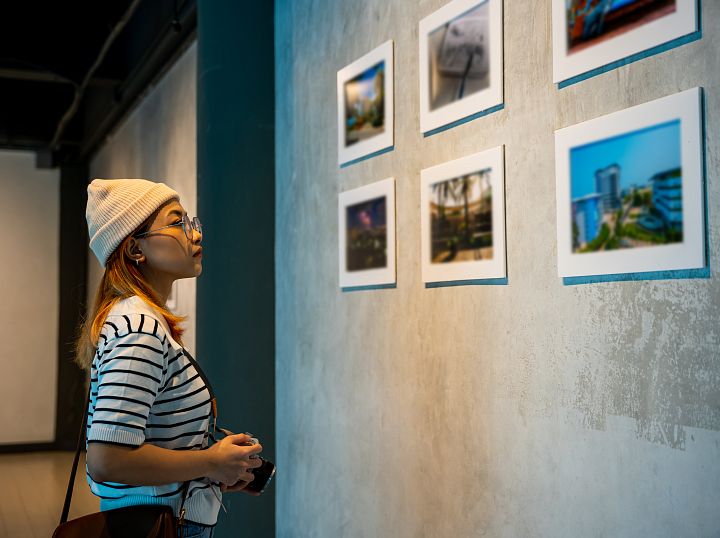
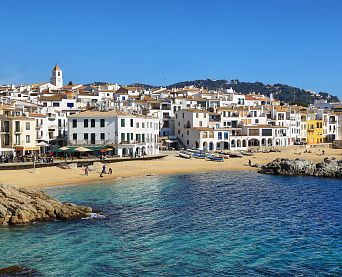
With its captivating beauty, Cadaqués is one of the most photographed town of the world, by photographers and painters, and inspired great figures of poetry and writing as Josep Pla, Federico García Lorca or Quima Jaume among many others.
This ongoing wave of talent has given to the city a bohemian feel and has left to Cadaqués many art galleries and cultural workshops that you can visit at any time with the privilege of being served by the Artist of the work.
Cadaqués Museum
The village adds efforts to boost works related to Cadaqués and maintains a municipal museum, Museum of Cadaqués, where every year traveling artworks related to the environment and local culture are exposed.
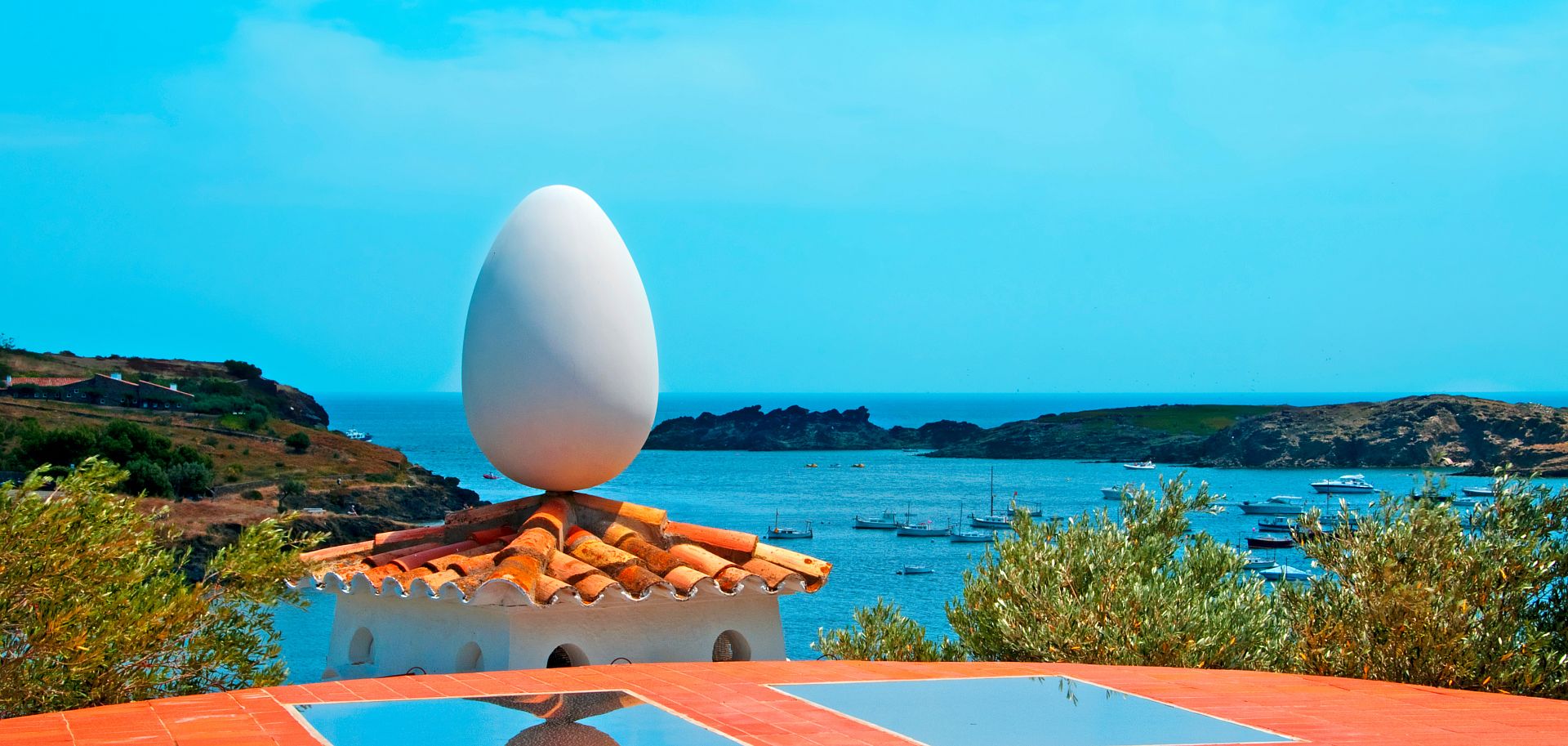
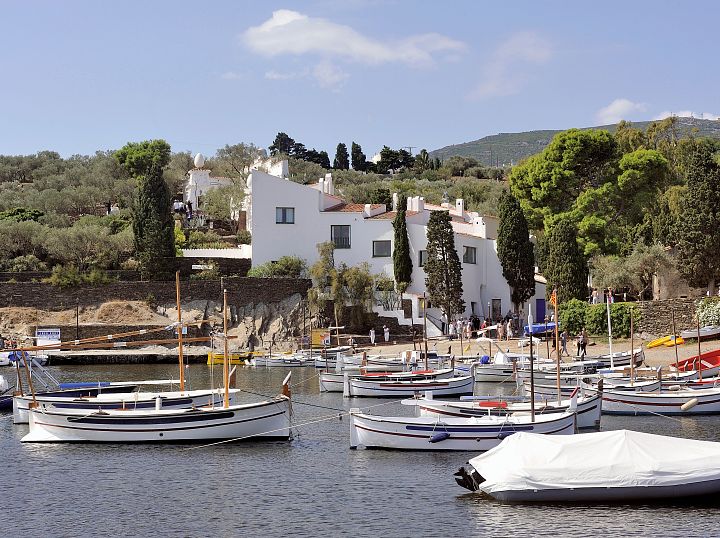
The artworks may be hosting international artists, often especially linked to Cadaqués for personal or professional issues. And many of the exhibits are related to the genius Salvador Dalí, precisely even his old house is preserved on the beach of Port Lligat, the Casa Museo Salvador Dalí, wich you can visit upon reservation and constitutes a mandatory visit if you come to Cadaqués.
The Dalinian Triangle
The Dalinian Triangle, also known as the Dalí Route, is the triangle formed by the towns of Figueres, Salvador Dalí's birthplace and home to the Dalí Theatre-Museum; Púbol, with the Gala-Salvador Dalí Castle, the former residence of the painter's muse; and Portlligat, with the Salvador Dalí House, the artist's former residence.
A cultural route that fascinates all art lovers!
*For these activities/visits, it is mandatory to make a prior reservation.
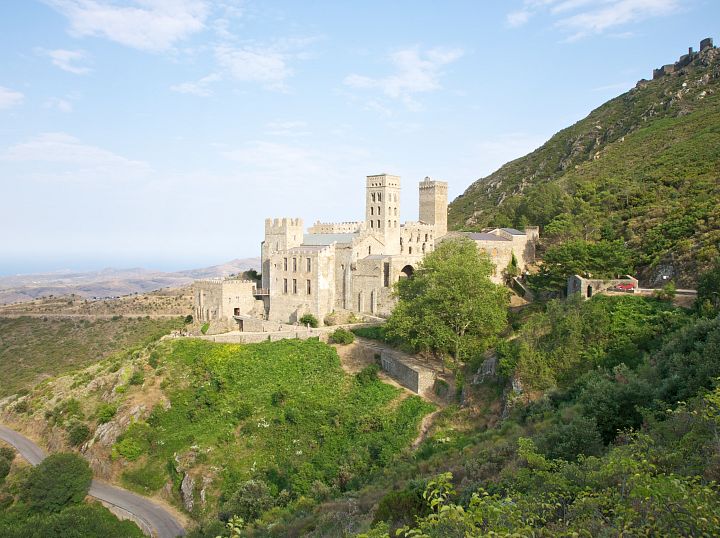
Monastery of Sant Pere de Rodes
The monastery of Sant Pere de Rodes has historically been considered a prime example of Romanesque architecture in Catalonia. Its origins date back to the 1st century AD.
According to legend, Christians traveling from Rome were shipwrecked in the bay and vowed to build the monastery there as an offering to God. Christian doctrine considers Sant Pere de Rodes one of the most significant monasteries. The first official mention of the monastery dates back to 878.
Keep discovering
Cadaqués and its surroundings offer something for every moment of your stay: coastal routes, the landscapes of Cap de Creus, charming villages, outdoor activities, and secluded spots to enjoy the Costa Brava at a leisurely pace. Explore our suggestions and start planning your getaway from Hotel Sol Ixent.
Cadaqués: the jewel of the Costa Brava
Beaches and coves
Sports
Charming towns